Tools & Techniques
Tools and techniques are where DIY projects start becoming easier, cleaner, and more enjoyable. This section of FinklerDIY is for learning how to use basic tools better, understand simple building methods, improve your accuracy, and avoid mistakes that make projects harder than they need to be.
You do not need a massive workshop to build useful things. Most DIY projects come down to a few core skills: measuring accurately, marking clearly, cutting safely, sanding properly, fastening securely, choosing the right material, and finishing the project in a way that looks clean and lasts.
This section covers practical tool use, woodworking techniques, repair methods, layout habits, finishing tips, and simple workshop skills that can help with both small projects and larger builds. Whether you are using a drill, saw, sander, clamp, square, Dremel, level, caulking gun, or hand tool, the goal is to use it with more confidence and control.
Good technique saves time, money, and frustration. A better cut, cleaner layout, stronger joint, or smoother finish can make even a simple project feel more professional.
Use this section to build your skill base one tool and one technique at a time.
What You’ll Learn Here
This section focuses on the practical skills that show up across many different DIY projects. That includes measuring, cutting, drilling, fastening, sanding, clamping, layout, tool safety, finishing, small repairs, and choosing the right tool for the job.
The goal is not to collect tools for the sake of collecting tools. The goal is to understand how each tool helps you solve a real problem. A square helps you build straighter. A clamp gives you control. A sander improves the finish. A drill speeds up assembly. A level keeps projects from becoming crooked before you even notice.
When your basic techniques improve, every project after that gets easier.
Need a Simple Tool Starting Point?
If you are building your DIY setup, start with the FinklerDIY tool guide. It highlights practical tools that are useful for repairs, woodworking, layout, small builds, and larger projects without turning your workspace into an expensive tool museum.
- How to Use a Dremel on Wood to Carve, Sand, and Revitalize Wooden Projects
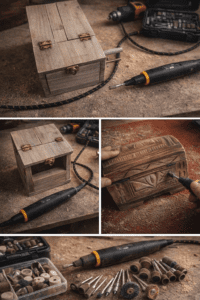 Introduction: Why a Dremel Is a Game-Changer for Small Wood Projects A Dremel is one of those tools that almost every DIYer owns, but many people don’t fully understand how powerful it can be when used correctly. It’s small, fast, and incredibly versatile, yet it often gets put back in the drawer because the bits look confusing or intimidating. When you’re working on projects like a wooden birdhouse or a carved chest, a Dremel becomes… Read more: How to Use a Dremel on Wood to Carve, Sand, and Revitalize Wooden Projects
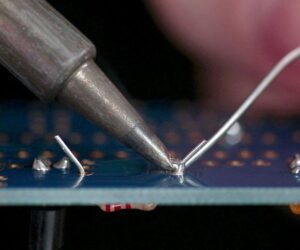
 - How Do You Solder? A Complete, Beginner-Friendly Guide to Soldering Electronics, Repairs, and Jewelry
 Soldering is one of those skills that quietly separates people who can fix things from people who throw things away. At first glance, it looks technical and unforgiving — molten metal, hot tools, tiny parts — but in reality, soldering is a slow, learnable craft built on a few repeatable principles. Once those principles click, the process becomes predictable instead of frustrating. This guide is written for absolute beginners who want to learn how to… Read more: How Do You Solder? A Complete, Beginner-Friendly Guide to Soldering Electronics, Repairs, and Jewelry
 - Essential Tools Every Homeowner and Car Owner Should HaveEssential Tools Every Homeowner and Car Owner Should Have Owning a home, a piece of land, and a vehicle comes with a certain level of responsibility. Whether it’s repairing something small, handling seasonal chores, clearing a fallen branch, boosting a dead car battery, or fixing a basic plumbing issue, you need the right tools on hand. A well-rounded toolkit doesn’t have to be expensive or complicated — but it must be reliable, durable, and versatile… Read more: Essential Tools Every Homeowner and Car Owner Should Have
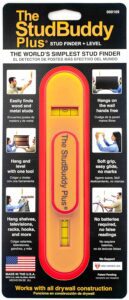
- StudBuddy Plus Review: The Easiest Magnetic Stud Finder for Drywall (Full Breakdown & Is It Worth It?)StudBuddy Plus magnetic stud finder with level
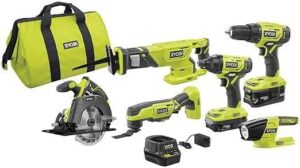
- Ryobi 6-Tool Combo Kit Review: Full Breakdown, Pros/Cons & Is It Worth It for DIY Projects?ryobi-6-tool-combo-kit