Small Projects

Small DIY projects are the quick wins of hands-on building. They are the projects you can usually start without a huge budget, a full workshop, or weeks of planning. This section of FinklerDIY is for practical builds, repairs, upgrades, and small woodworking projects that help you improve your skills while making something useful.

These projects are a great place to build confidence. A small organizer, a scrap wood build, a simple repair, a Dremel project, a refinishing job, or a quick home improvement task can teach you measuring, cutting, sanding, fastening, finishing, layout, tool control, and problem-solving without the pressure of a major construction project.

Small projects also have a hidden advantage: they create momentum. You finish something, learn something, and get a real result you can see. That matters. A lot of people get stuck planning huge dream builds before they have built the basic skills. Small projects help you stack those skills one project at a time.

Here you will find beginner-friendly DIY ideas, scrap wood projects, small repairs, tool practice, simple home upgrades, and practical weekend builds. Some are made for saving money. Some are made for learning. Some are made to sell, gift, or use around the house.

If you are new to DIY, start here. Pick a small project, keep it simple, finish it properly, and use it as a stepping stone toward bigger builds.
What You’ll Find in Small Projects

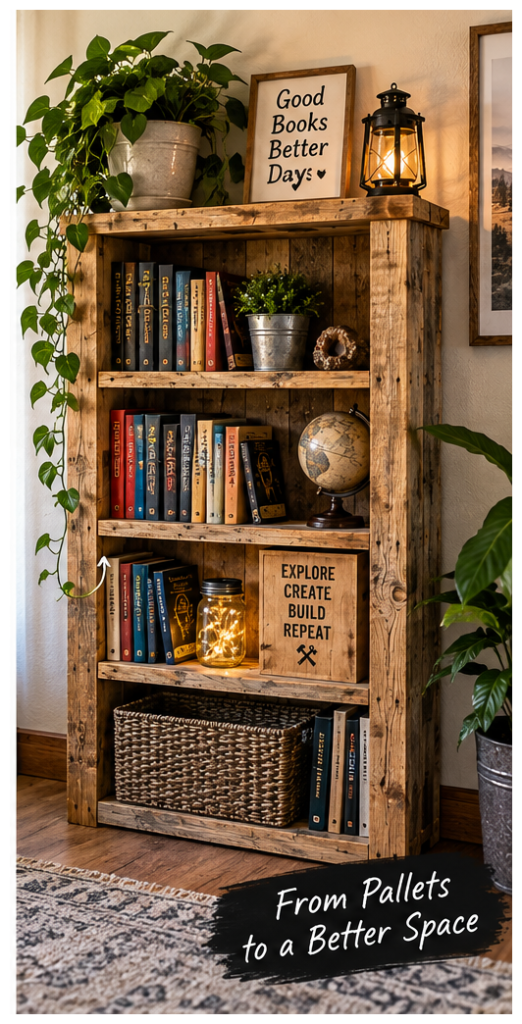
This section focuses on manageable projects that do not require a massive setup. You will find ideas for scrap wood builds, pallet projects, small furniture, tool practice, home repairs, finishing techniques, organization projects, bathroom fixes, and simple upgrades that make your space more useful.

Small projects are also a good way to test tools before using them on bigger builds. A Dremel, drill, saw, sander, clamp, square, or finish product is easier to learn on a small piece than on an expensive project. That is why these builds are useful even when they look simple.

The goal is not to make everything perfect. The goal is to finish useful projects, learn real skills, and build enough confidence to take on larger DIY work later.


  • Scrap Wood & Pallet Projects That Actually Sell
    Scrap Wood & Pallet Projects That Actually Sell (And Why People Buy Them) There is something strangely addictive about starting to work with scrap wood. At first, most people just see free material. Maybe an old pallet sitting behind a store. Maybe leftover boards from a renovation. Maybe fallen trees or rough saplings in the forest that could potentially become fencing, trellises, or rustic outdoor structures. But after a while, your brain starts changing. You stop looking at wood as garbage and start seeing future projects hidden inside it. This is one reason woodworking becomes so appealing to many people.… Read more: Scrap Wood & Pallet Projects That Actually Sell
  • How to Make DIY Projects Look Professional (Even if You’re a Beginner)
    How to Make DIY Projects Look Professional (Even if You’re a Beginner) There is a strange moment that happens to almost every DIY builder at some point. You spend hours measuring, cutting, screwing, sanding, lifting, and rebuilding something from scratch. Structurally, it works perfectly. It is strong. It does exactly what it was supposed to do. But then you step back, look at it, and something feels off. It still looks homemade. That feeling frustrates a lot of people because they assume the problem is skill. In reality, the difference between an amateur-looking build and a professional-looking one is often… Read more: How to Make DIY Projects Look Professional (Even if You’re a Beginner)
  • How to Use a Dremel on Wood to Carve, Sand, and Revitalize Wooden Projects
    Introduction: Why a Dremel Is a Game-Changer for Small Wood Projects A Dremel is one of those tools that almost every DIYer owns, but many people don’t fully understand how powerful it can be when used correctly. It’s small, fast, and incredibly versatile, yet it often gets put back in the drawer because the bits look confusing or intimidating. When you’re working on projects like a wooden birdhouse or a carved chest, a Dremel becomes especially useful. These are not flat, factory-perfect pieces of wood. They have curves, textures, creases, and uneven surfaces that traditional sanders struggle with. This is… Read more: How to Use a Dremel on Wood to Carve, Sand, and Revitalize Wooden Projects
  • How to Make a Bedside Stand Organizer in a Few Easy Steps (DIY Wood Project)
    Introduction: A Simple Project That Actually Gets Used Some DIY projects look cool but end up collecting dust. A bedside stand organizer is the opposite. It’s one of those rare builds that immediately earns its place in your daily routine. Your phone goes there. Your watch goes there. Your wallet, glasses, earbuds, keys — all in one spot. No digging around in the morning, no clutter on the nightstand, no stress. This guide is written for real beginners. If you can measure, cut straight lines, apply wood glue, and use a brad nailer, you can build this. No curves. No… Read more: How to Make a Bedside Stand Organizer in a Few Easy Steps (DIY Wood Project)
  • How to Regrout a Bathtub
    How to Regrout a Bathtub (and When You Actually Need Caulk Instead) Introduction: First, Relax — This Is a Common, Fixable Problem If your bathtub has blackened seams, crumbling material, gaps along the tub edge, or corners that look permanently dirty no matter how much you scrub, you’re not alone. This is one of the most common bathroom issues homeowners face, especially in tubs that are more than a few years old. The good news: nothing in your photos suggests structural damage. What you’re seeing is surface-level failure caused by moisture, movement, and time. No one’s dying. No walls are… Read more: How to Regrout a Bathtub
Scroll to Top